News and updates from Paul and Cathy Middleton, serving in southern Africa.

15 March 2020

MAF/Flying for Life Limpopo Mar 2020

Last week Mercy Air once again took a MAF/Flying for Life team up to the Vhembe district in Limpopo.

We were off just before dawn and got to Jhb to pick the team up, just after 06:30

On the way up
Arriving at Tshikondeni
Cathy got busy in the clinic...
 ..with women's health and did quite a number of pap smears from young mothers...
..to this 80 year old lady...
..and even one old granny of 94!

The clinic's wheelchairs were interesting!
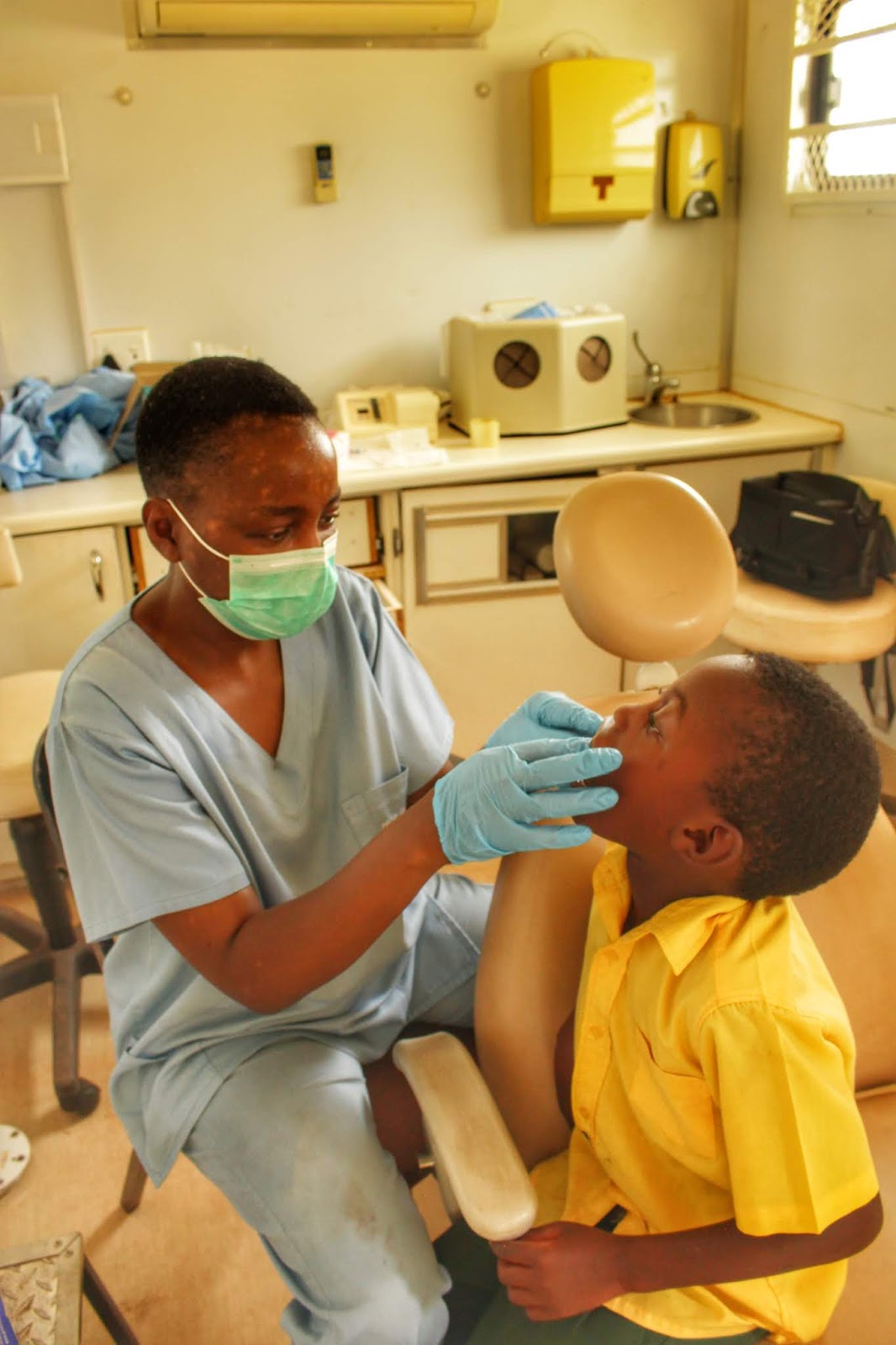
The dental team went to the primary school where that had screened kids there last time we were here. They were able to give them some attention as well as share some thought on dental hygiene from the back of the mobile dental unit. Maybe simple and obvious things to us, but something that often doesn't reach the rural areas quite so easily.
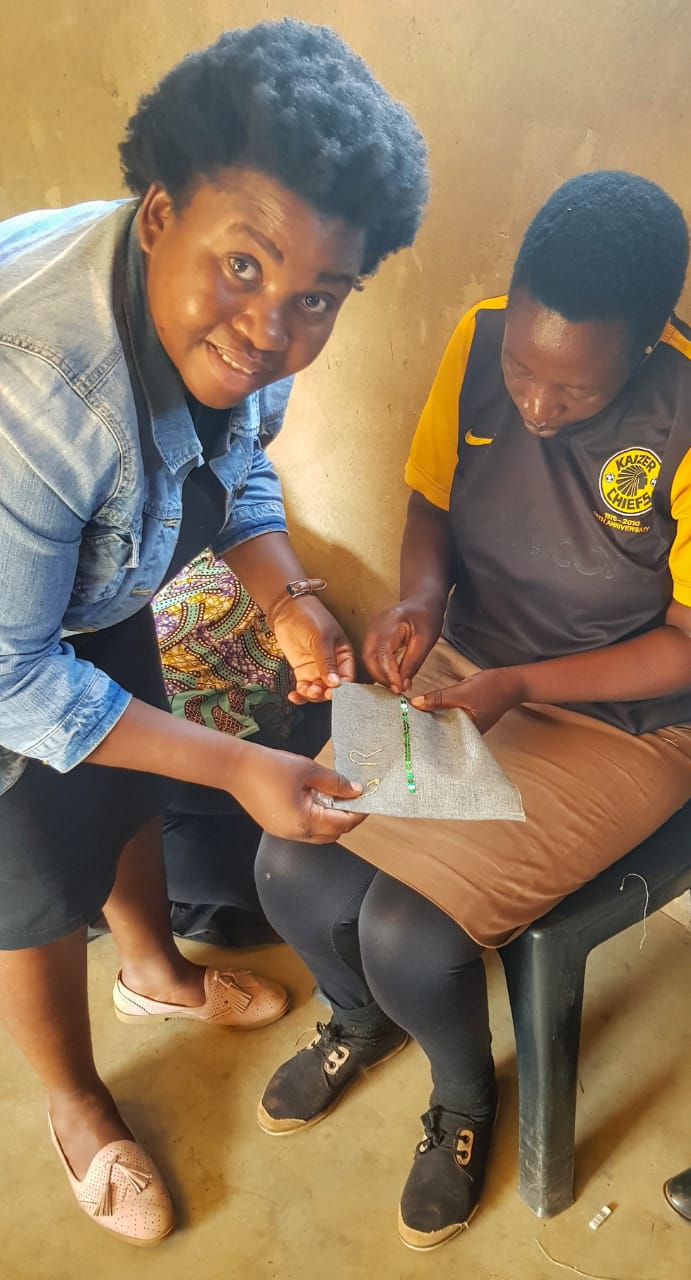
The last group went to the disability centre and did some skills ytraining with the kids.
They really enjoyed it and were happy to have their photos taken with their creations when we all met up there at the end of the day.


The disability centre have a good vision, but have some challenges in meeting it at times.

Then it was an hour's drive back to the airstrip for the flight home.
Thank you

Paul and Cathy

09 March 2020

Survey and Solar, ASAM, Mozambique.


Recently Paul flew survey and solar power experts up to the ASAM mission in Mozambique.

This is a place that we visit often, in  fact we've been flying in support of their work for probably 25 years, and we've seen it grow from small beginnings to the fairly comprehensive work it is today. But despite much history behind them, there is still room for expansion. Because of their size, this expansion needs to be planned and managed more carefully, and this was the main purpose of this trip.
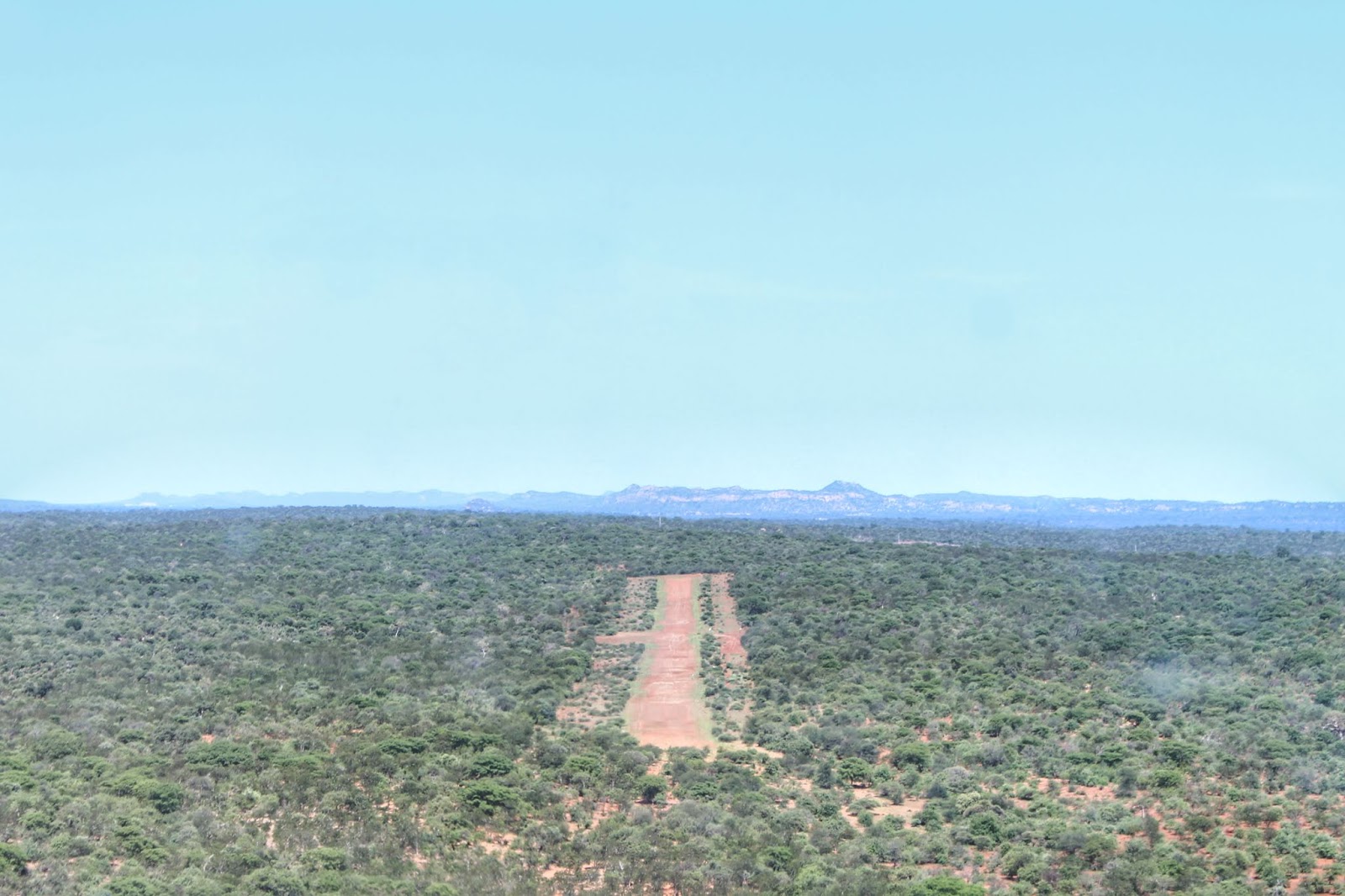
ASAM mission base is pretty remote. It's almost half way up Mozambique and off to the west near the Zim border. There is one tar road that runs near the mission but it would take two very big days/borders/police road checks to drive there from South Africa. We can fly there in a total of about 3h30.

Here is a photo of their airstrip as we approach from the east ...
..and a picture taken just as we landed - lots of space.
Despite the fact that a major power line from a hydro electric plant in the north to Maputo and South Africa in the south, runs through their property, they have no mains electricity.

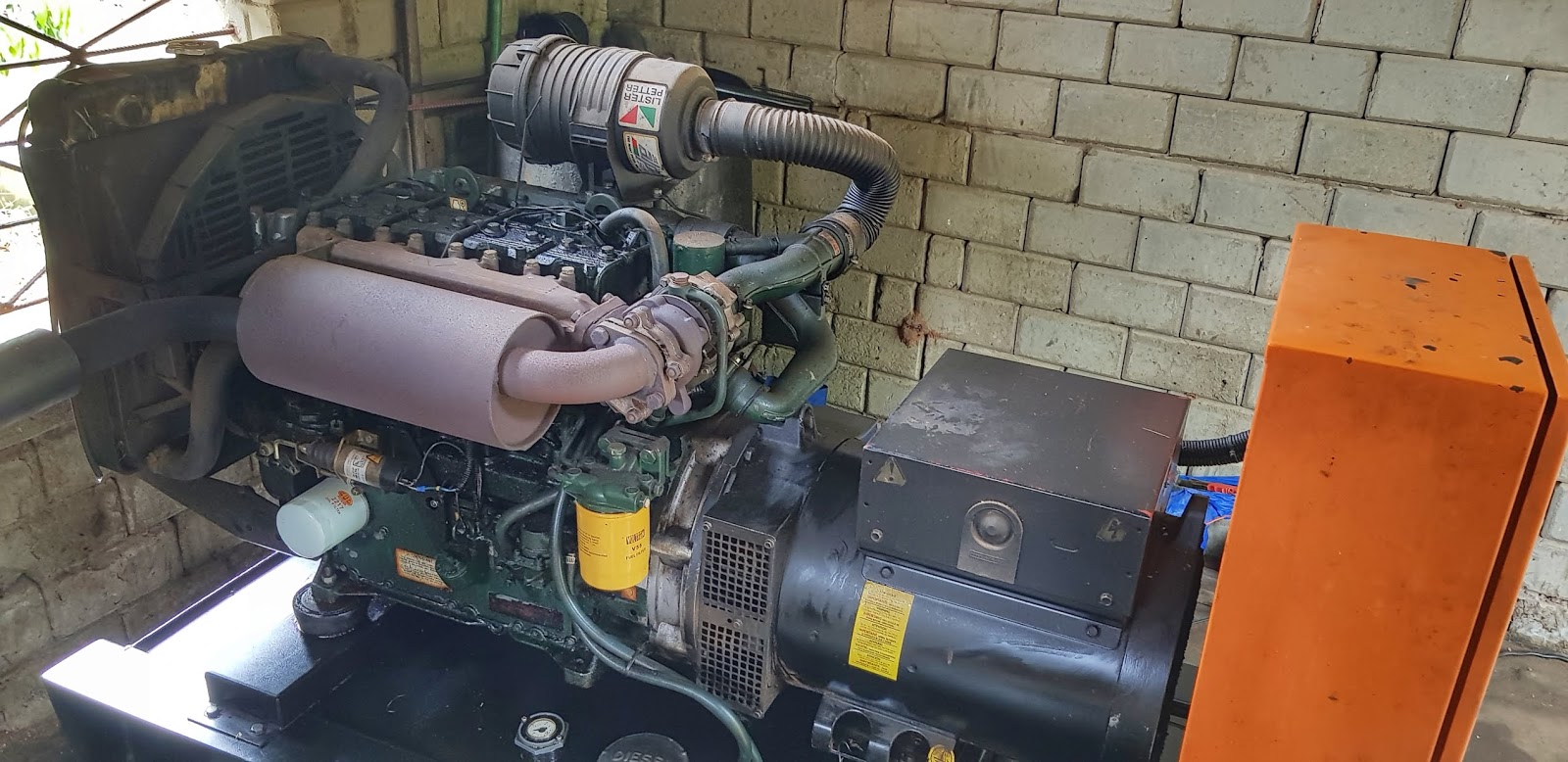
Instead, they have two large and noisy diesel generators that they run for set times each day, to provide power for the all the mission activities.

This generally works very well, but sometimes they break and even when they don't, it still costs R19000 (£925/$1200) a month in diesel. Money that could go a long way to meeting other essential needs in their clinics, schools and agricultural work.

So, the reason our experts were with us was firstly to survey the land to work out how feasible it would be to construct a reservoir to supply gravity fed water to the fields as well as the proposed expansion to the pastoral training centre. Secondly, they wanted to know what the day to day electrical load demands were on the system, and whether it would be practical to install a solar system to cover this, as well as run a pump from the river to keep the reservoir toped up.

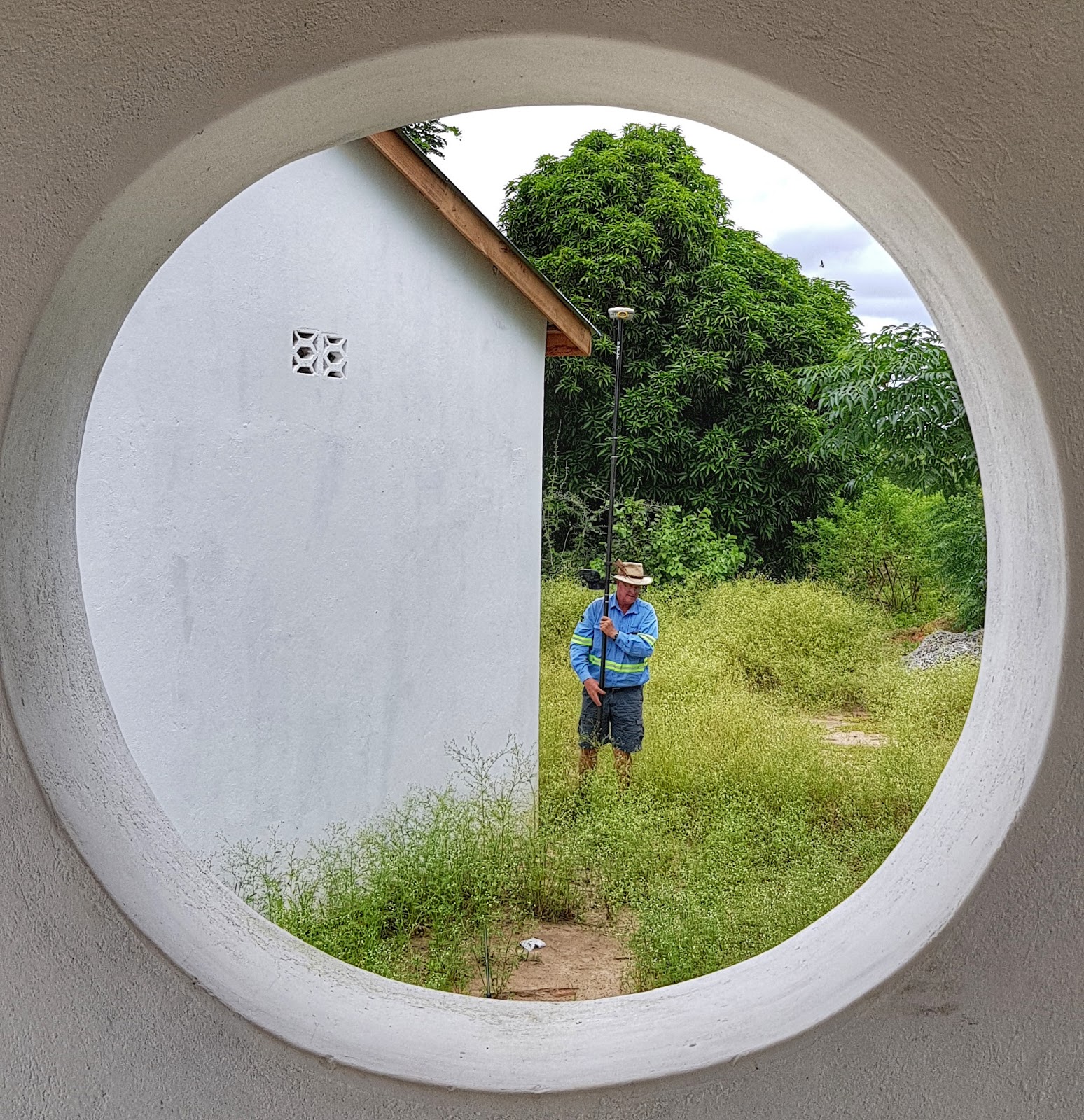
Kevin was the survey guy and came armed with a tripod which housed his GPS base station.
From here, using the US and Russian satellite constellations, he could take ridiculously accurate bearings and heights of anything up to a few kilometres away, and then draw a map that other clever people can use to design water systems with the right volume, pipe diameters, flow rates etc
At the training centre he plotted all the current accommodation...
..and then the land where they hope to build three more clusters.
Claude was Mr. Solar. He looked at everything electrical...
..and placed equipment that recorded power usage in detail.
Here he is in the plane on the way back.
On the last day we visited the school that the mission set up many years ago. We were introduced to an enthusiastic assembly of pupils, some who walk up to three hours to get to school each day.

Kevin took his modern technology to the bush and surveyed the bridge we built six years ago.
We built this bridge after a couple of kids were eaten by crocodiles whilst crossing the river going to school: http://pcm-mercyair.blogspot.com/2014/10/educating-medical-bridge_14.html and http://pcm-mercyair.blogspot.com/2014/12/asam-bridge-dedication.html. Good to see it is still used regularly.

A couple of interesting side notes:
On the way up our first port of call for customs/immigration/fuel and a wee was Beira. We arrived there at the same time as an old aircraft that Mercy Air used to operate flew in. Mercy Air operated this 1957 Beech 18 for almost 20 years. I think this was the first time the Beech and the Kodiak, which replaced it, have actually met each other. I wonder which was more jealous?!
At the end of January we blogged an article about collecting fuel drums which we would use in the case of another natural disaster: http://pcm-mercyair.blogspot.com/2020/01/preparing-for-worst-hoping-for-best.html. It was a long journey for them, but they eventually made it up to central Mozambique and now sit in the missions hangar where we park our aircraft.
 
Thank you.

Paul and Cathy

07 February 2020

MAF/Flying for Life Dental Flight Limpopo

Last week Paul flew the first of 2020's MAF/Flying for Life visits to the Limpopo province in the north of South Africa.

Landing at Tshikondeni gives an idea of the remoteness of the area we visit.

 
The team on arrival.
This was one of a regular series of flights where we fly dentists up to work in a mobile dental unit in the rural Vhembe district. This time the dental truck went to a primary school that Flying for Life also work with, to screen classes of children for a subsequent visit.

But first there is a 1hr long taxi ride to get from the airstrip to the school. We always have the same friendly driver who looks like he may a candidate for future dental care!
At the school, the kids were happy to see us...
.. and after a brief introductory talk, showed their newly learned skill of opening their mouths for the screening.
Then down to the serious business of checking their oral health.


We're not sure whether they were happy to see us go, or just showing their appreciation for our visit!
Whilst the dental screening was taking place, some other members of the team visited the disability centre. Mercy Air and Flying for Life are working at improving the facilities here in the coming year.
Thank you.

Paul and Cathy
27 January 2020

Space Race 2020

Paul and Cathy were able to help a team accomplish a feat at Mercy Air recently that will take some beating.

Something took off from our airstrip and climbed to near space (75,000ft) before descending and landing again.

To give you an idea:
100,000ft is in the Stratosphere and is where the ozone layer is located.
It is three and a half times the height of Everest.
Airliners fly about 35,000ft.
The SR-71 Blackbird spy plane flew at 80,000ft.
The Space station orbits only three and a half times higher at 350,000ft.
In contrast Mercy Air fly locally at around 4500ft and only up to to 12000ft when we go international.

If you've glimpsed the photos yet you will understand that this was no ordinary aircraft but two weather balloons that were launched as part of a project organised by Yellobric (http://www.schoolspacerace.com/news/). This was part of their 'School Space Race' program that aimed to encourage school children from around the globe to use maths, physics and geography to build, launch, and retrieve an unmanned craft as high as possible on a budget.

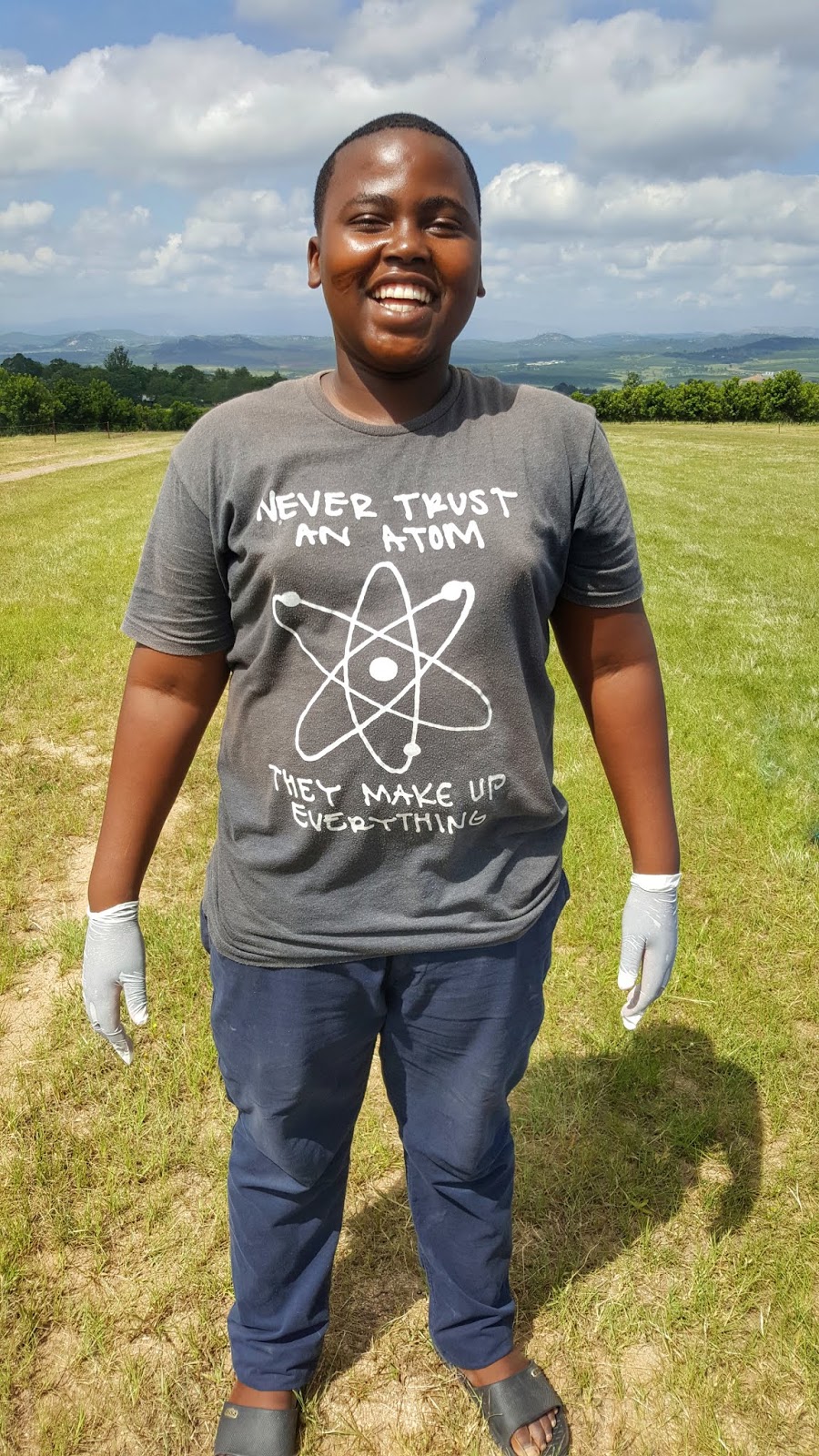
One of the pupils in an amusing t shirt
It was a pleasant morning when they arrived on the day of the launch and the lack of wind was a bonus.
There was quite a lot of preparation to ensure all connections were.. er..connected...
..and that the tracking equipment was talking to the transponders.
The payload of the transmitter, camera, radar reflector and parachute was 0.55 kg and helium was used to create a lift of 0.65 kg.
The balloons start about 1.5m in diameter but as they ascend and the air gets thinner they expand until, between 6-8m, they burst and return to earth under the parachute about 5 hours later.
The anticipation was immense!
And the crowd went wild!
There was just time for the obligatory selfie...
..before the balloons were lined up for the countdown...
 
..and release.
 
Then the tracking team got to work...
..while the cars drove off to recover them.

There was a nifty website that we used to see progress. A screen shot shows the tracks of the balloons with one achieving a maximum altitude of 22432m (73596ft) - their target altitude was 100,000ft.
We were happy to be able to help these schools in their quest by providing a launch site but we won't try to emulate any of their performance figures any time soon - promise!

Thank you.

Paul and Cathy.

21 January 2020

Preparing for the worst - Hoping for the best

After helping extensively with cyclone Idai in Mozambique last year, Mercy Air has reviewed its involvement and put an enhanced disaster management plan in place, to be even better prepared should anything similar happen in the future.

Quite a lot to choose from
One of the issues we faced was the supply of aviation fuel. Things worked out well for us last year, but it could have been very different and we identified that making our own plans could be very pertinent.
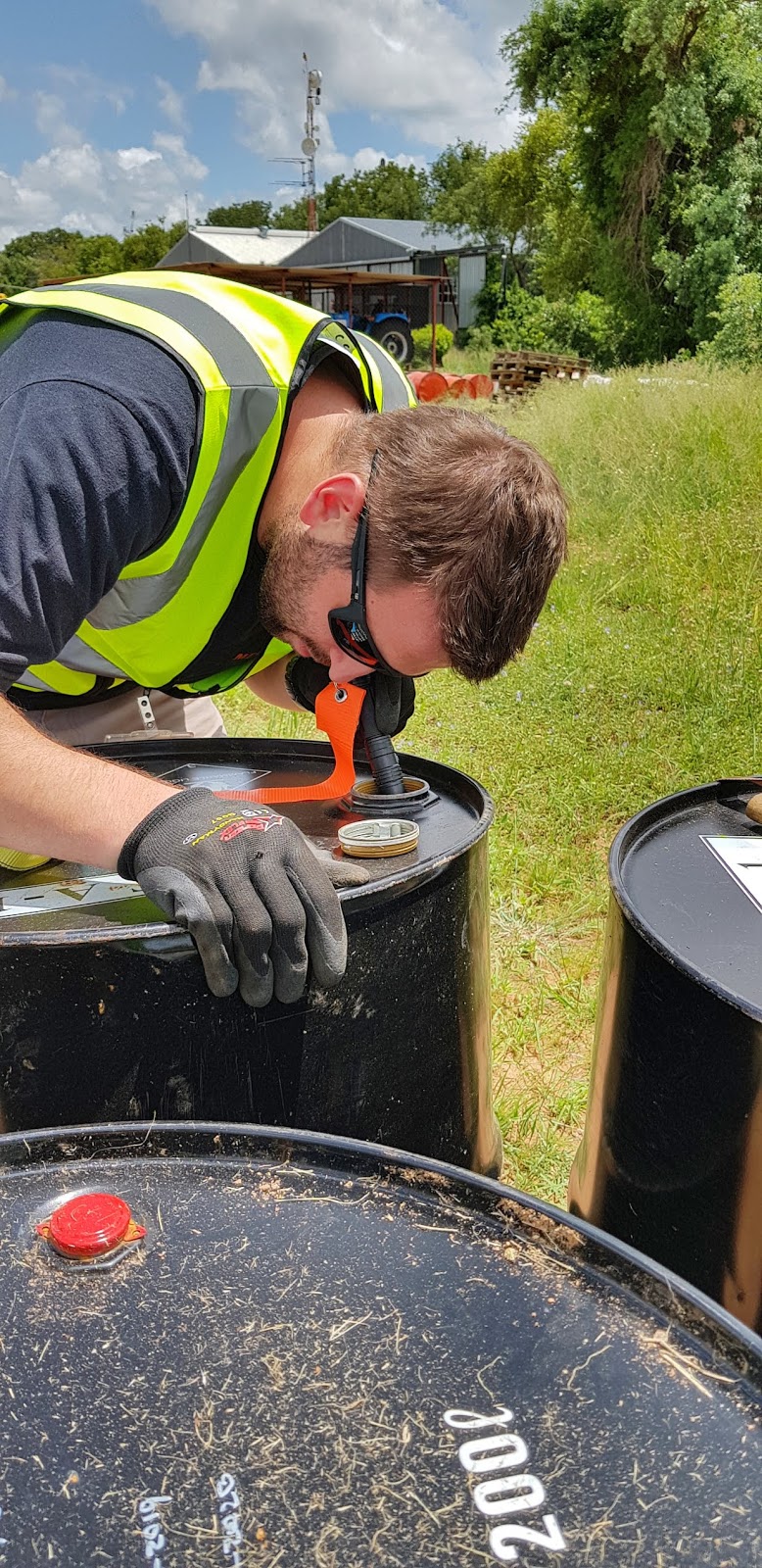
Checking each one for condition
To that end, we recently sourced and collected 28 fuel drums from the anti rhino poaching air wing in the Kruger National Park.
We had to drive through the park to get to where the drums were - seriously!
We have since taken them to Maputo for filling and shipped them up to a mission base in central Mozambique.
It was a very hot day!
It is a place we visit often so if, hopefully, there is no emergency to deal with, the fuel certainly won't go to waste.

Thank you.

Paul and Cathy